Leestijd: mins
Navigating the delicate landscape of a child’s sensitive skin can often feel like a tightrope walk. A seemingly innocuous product can trigger a cascade of redness, itching, or discomfort, leaving both parent and child distressed. Understanding the root causes of irritation and implementing mindful changes can significantly improve a child’s skin health. This article provides a practical guide for parents, offering 12 actionable swaps designed to minimize irritation and promote a calmer complexion for your little one. The focus here is on evidence-based strategies, emphasizing simplicity and the avoidance of common culprits that exacerbate sensitivity.
Sensitive skin in children is not a medical diagnosis in itself but rather a descriptor of a skin type that reacts more readily to external stimuli. These reactions can manifest in various ways, from mild redness and dryness to more pronounced rashes and itching. The stratum corneum, the outermost layer of the skin, plays a crucial role in protection. In sensitive skin, this barrier may be thinner or compromised, making it more permeable and vulnerable to penetration by irritants and allergens. The sebaceous glands, responsible for producing sebum, may also function differently, contributing to dryness or increased susceptibility to environmental factors.
The skin barrier acts as a protective shield, preventing the loss of essential moisture and keeping out harmful external agents. When this barrier is compromised, it’s akin to a fortress with weakened walls, allowing unwelcome invaders to penetrate more easily. This vulnerability can be genetic, leading to a predisposition for sensitive skin, or it can be acquired due to environmental exposures, harsh skincare practices, or underlying skin conditions. The consequence is an increased likelihood of inflammation and reactivity.
Identifying what triggers a sensitive skin reaction is paramount to effective management. These triggers can be broadly categorized into chemical and physical irritants, as well as environmental factors. Chemical irritants often include fragrances, dyes, certain preservatives, and harsh surfactants found in everyday products. Physical irritants can range from rough fabrics and abrasive scrubbing to fluctuating temperatures and prolonged exposure to water. Environmental factors such as pollution, allergens (pollen, dust mites), and even the sun’s UV radiation can also play a significant role.
It is important to distinguish between sensitive skin, allergies, and conditions like eczema. Sensitive skin reacts to a broader range of stimuli, often with a general redness or stinging sensation. Allergies, on the other hand, involve a specific immune system response to a particular allergen, often resulting in hives, itching, and localized reactions. Eczema, or atopic dermatitis, is a chronic inflammatory skin condition characterized by dry, itchy, red, and sometimes weeping patches of skin, often accompanied by a genetic predisposition and triggers similar to those of sensitive skin, but with a more defined inflammatory component. While eczema is a distinct condition, managing a child with eczema often involves many of the same strategies recommended for sensitive skin.
For parents seeking to better understand how to care for sensitive skin, the article “Sensitive skin checklist for parents: 12 practical swaps that reduce irritation fast” offers valuable insights and actionable tips. Additionally, you may find it beneficial to explore related research on skin care innovations, such as the article on manganese PCA, which discusses its revolutionary effects in skin care routines. You can read more about it here: Discover Manganese PCA: A Revolution in Skin Care.
Cleansing is the foundational step in any skincare routine. For sensitive skin, the choice of cleanser is critical. Many conventional soaps and body washes contain harsh surfactants and fragrances that strip the skin of its natural oils, exacerbating dryness and irritation. The goal is to remove dirt and impurities without disrupting the delicate skin barrier.
Surfactants are detergents that help to lift dirt and oil. While effective, some, like Sodium Lauryl Sulfate (SLS) and Sodium Laureth Sulfate (SLES), can be particularly aggressive. They are potent degreasers, meaning they can strip away the natural lipids that protect the skin’s surface, leaving it dry, tight, and prone to irritation. For children with sensitive skin, these ingredients can be a direct pathway to discomfort.
The optimal swap here is to transition to cleansers specifically formulated for sensitive skin. Look for products labeled as “fragrance-free,” “hypoallergenic,” and “for sensitive skin.” These formulations typically utilize milder surfactants, such as cocamidopropyl betaine or decyl glucoside, which are derived from natural sources and are much gentler on the skin. Examples include crème washes or syndet bars (synthetic detergent bars) that are pH-balanced and do not contain traditional soap.
For very young children or those with extremely sensitive skin, the frequency and duration of bathing can also be a contributing factor to irritation. Over-bathing, especially in hot water, can strip the skin of its natural oils. Consider reducing bath time to a few times a week for non-essential cleansing, focusing on key areas when needed between full baths. Utilizing lukewarm water instead of hot water is also a crucial step in preserving skin moisture.

Moisturizing is not merely about adding hydration; it’s about reinforcing the skin barrier, preventing moisture loss, and soothing existing irritation. For sensitive skin, the choice of moisturizer is as important as the choice of cleanser. Many conventional lotions contain alcohol, fragrances, and other ingredients that can sting or further irritate compromised skin.
Effective moisturizers for sensitive skin typically combine emollients, which smooth and soften the skin, and humectants, which attract water to the skin. Emollients often include ceramides, fatty acids, and plant-derived oils like shea butter or jojoba oil. Humectants can be ingredients like glycerin or hyaluronic acid. A good sensitive skin moisturizer will replenish lost lipids and help the skin retain moisture effectively.
Prioritize moisturizers that are rich in ceramides. Ceramides are naturally occurring lipids in the skin that are essential for maintaining a healthy barrier. When the skin barrier is compromised, ceramide levels can be depleted. Replenishing them helps to rebuild and strengthen the barrier. Additionally, opt for moisturizers incorporating gentle, plant-based oils such as shea butter, calendula oil, or chamomile oil. These ingredients possess anti-inflammatory and soothing properties, offering a calming effect on irritated skin. Ensure these oils are cold-pressed and unrefined to retain their beneficial properties.
Be vigilant about ingredients that can provoke a reaction. Alcohols, especially denatured alcohol, can be very drying and irritating. Propylene glycol, while a humectant, can be an irritant for some individuals. Artificial fragrances and dyes are almost universally problematic for sensitive skin. Always perform a patch test on a small area of skin before applying a new moisturizer all over your child’s body.

The fabrics your child wears and the detergents used to clean them can be significant sources of irritation. Seemingly minor elements in laundry can translate to persistent itchiness and redness. Addressing these aspects can yield rapid improvements.
Many laundry detergents contain harsh chemicals, optical brighteners, and potent fragrances designed to leave clothes smelling fresh and looking bright. These ingredients can linger on fabric fibers and come into direct contact with a child’s sensitive skin, causing allergic reactions or general irritation. Optical brighteners, for instance, are designed to absorb UV light and re-emit it as visible light, which can be a chemical irritant.
The most effective swap is to switch to detergents labeled as “hypoallergenic,” “fragrance-free,” and specifically formulated for sensitive skin or baby laundry. These detergents omit dyes and perfumes, and use gentler cleaning agents. Enzyme-based detergents, while effective at stain removal, can sometimes be problematic for very sensitive individuals, so consider enzyme-free options if reactions persist.
Even with a gentle detergent, residues can remain if clothes are not rinsed properly. Running an extra rinse cycle on your washing machine can help to remove any lingering detergent particles. For particularly sensitive children, a second rinse cycle exclusively with water, without detergent, can be beneficial. Ensure the washing machine is not overloaded, as this can prevent proper rinsing.
The type of fabric a child wears directly impacts their skin’s breathability and comfort. Synthetic fabrics, while sometimes durable, can trap heat and moisture, creating an environment conducive to irritation. Rough or loosely woven fabrics can also cause friction and chafing against sensitive skin.
Prioritize breathable, natural fibers like 100% cotton or bamboo. These materials are soft, allow air to circulate, and wick away moisture, helping to keep the skin dry and comfortable. Look for organic cotton, which is grown without the use of pesticides and synthetic fertilizers that can leave residues on the fabric. Ensure these fabrics are tagless or that tags are carefully removed to prevent any potential for scratching or irritation.
For parents navigating the challenges of caring for sensitive skin, the article on practical swaps offers valuable insights to reduce irritation quickly. In addition to these tips, you might find it beneficial to explore the natural benefits of citric acid in skincare, which is discussed in another informative piece. This related article highlights how this ingredient can enhance skin health and provide soothing effects, making it a great complement to the sensitive skin checklist. You can read more about it by following this link: citric acid.
| Swap | Beschrijving | Benefit | Effectiveness |
|---|---|---|---|
| Use fragrance-free products | Switch to soaps and lotions without added fragrances | Reduces allergic reactions and irritation | High |
| Choose hypoallergenic detergents | Wash clothes with detergents designed for sensitive skin | Prevents skin irritation from residual chemicals | High |
| Opt for cotton clothing | Dress child in soft, breathable cotton fabrics | Minimizes skin friction and sweating | Medium |
| Limit bath time | Keep baths under 10 minutes with lukewarm water | Prevents skin dryness and irritation | Medium |
| Use gentle moisturizers | Apply fragrance-free, hypoallergenic creams after bathing | Maintains skin hydration and barrier | High |
| Avoid fabric softeners | Do not use fabric softeners or dryer sheets | Reduces exposure to irritants | Medium |
| Trim nails regularly | Keep child’s nails short to prevent scratching | Reduces skin damage and infection risk | High |
| Use mild laundry cycles | Wash clothes on gentle cycles to reduce wear | Preserves fabric softness and reduces irritation | Medium |
| Test new products first | Apply new skincare products on a small skin patch | Identifies potential irritants before full use | High |
| Keep skin cool and dry | Dress child appropriately to avoid overheating | Prevents sweat-related irritation | Medium |
| Use gentle wipes | Choose alcohol-free, fragrance-free wipes for cleaning | Reduces irritation during diaper changes | High |
| Consult a dermatologist | Seek professional advice for persistent irritation | Ensures proper diagnosis and treatment | High |
Protecting a child’s delicate skin from the sun’s harmful ultraviolet (UV) rays is essential. However, many sunscreens themselves can be a source of irritation for sensitive skin due to their chemical filters and fragrances.
Chemical sunscreens work by absorbing UV rays and converting them into heat, which is then released from the skin. Some chemical UV filters, like oxybenzone and avobenzone, can be potential irritants or allergens for sensitive skin. Mineral sunscreens, on the other hand, utilize zinc oxide and titanium dioxide. These ingredients create a physical barrier on the skin’s surface, reflecting UV rays away.
For children with sensitive skin, mineral sunscreens are the preferred choice. Look for formulations containing at least 20% zinc oxide and/or titanium dioxide. These ingredients are generally well-tolerated and less likely to cause allergic reactions. Opt for broad-spectrum sunscreens that protect against both UVA and UVB rays. Look for “fragrance-free” and “hypoallergenic” labels on these products as well.
While sunscreen is crucial, it should not be the sole method of sun protection. Swapping extra sun exposure for protective measures is a highly effective strategy. Dress children in lightweight, long-sleeved clothing and pants made of tightly woven fabrics. Wide-brimmed hats that shade the face, neck, and ears are also vital. Seeking shade during peak sun hours (typically between 10 a.m. and 4 p.m.) is a simple yet powerful way to reduce UV exposure and minimize the need for extensive sunscreen application on sensitive areas.
For parents navigating the challenges of caring for sensitive skin, the article on practical swaps can be incredibly helpful. It offers twelve actionable tips that can significantly reduce irritation for children with delicate skin. Additionally, if you’re interested in exploring more about skin-friendly ingredients, you might find this article on diethyl sebacate and its applications in cosmetology insightful. Understanding such ingredients can further enhance your approach to skincare. You can read more about it here.
Even playtime can inadvertently lead to skin irritation. Certain toys and craft materials, particularly those with chemicals or rough textures, can pose a risk to sensitive skin. Awareness and intentional choices can make a significant difference.
Many common craft supplies, such as certain paints, glues, and modeling compounds, can contain undisclosed chemicals, dyes, or preservatives that trigger reactions. Slime, a popular children’s craft, is a prime example. While not inherently dangerous, prolonged contact with some slime formulations, especially those with high levels of borax or artificial dyes, can lead to “slime burns” or irritant contact dermatitis on sensitive skin.
When selecting craft supplies, prioritize products labeled as “non-toxic,” “natural,” or “made with plant-based ingredients.” For slime, consider homemade recipes that use gentler alternatives like cornstarch and water, or opt for commercially available slimes specifically formulated for sensitive skin, and limit playtime to around 20 minutes as a precautionary measure. For other art supplies, look for water-based, pigment-based paints and glues rather than solvent-based options.
Beyond chemicals, the physical texture of toys and clothing can also be an issue. Hard plastic toys with sharp edges or rough surfaces can cause friction. Similarly, the weaving and texture of stuffed animals or even the seams within clothing can contribute to irritation if they rub against the skin.
When purchasing new toys, feel their surfaces. Opt for toys with smooth, rounded edges and soft textures. For stuffed animals, choose ones made from natural, soft fabrics like cotton or bamboo, and ensure they are free from excessive embellishments that could scratch. Regular inspection of existing toys for any potential rough patches or damage is also advisable. For clothing, ensure seams are flat and that any internal tags are either removed or softened to prevent abrasion.
By implementing these practical swaps, parents can create a more nurturing environment for their child’s sensitive skin. The key lies in mindful selection, understanding the ingredients in everyday products, and prioritizing simplicity and gentleness. While these changes are designed to reduce irritation and promote comfort, persistent or severe skin issues should always be discussed with a pediatrician or dermatologist. Remember, consistency and patience are vital in managing sensitive skin, and these 12 practical swaps are designed to be a cornerstone of that journey.
Common signs include redness, dryness, itching, rash, and irritation after exposure to certain fabrics, soaps, or environmental factors.
Parents can reduce irritation by using gentle, fragrance-free skincare products, choosing soft, breathable clothing, avoiding harsh detergents, and maintaining proper hydration and moisturization.
Yes, natural fabrics like cotton and bamboo are generally better as they are soft and breathable, reducing the risk of irritation compared to synthetic materials.
Using hypoallergenic laundry detergents, avoiding fabric softeners, keeping the home environment clean and dust-free, and maintaining moderate humidity levels can help minimize irritation.
Parents should seek medical advice if skin irritation is severe, persistent, accompanied by swelling or infection, or if over-the-counter measures do not improve the condition.


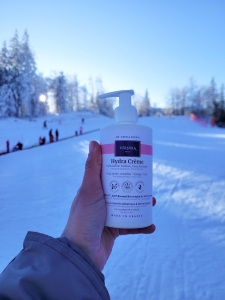
Alle rechten voorbehouden GTIN-naleving Hydra Lavant | GTIN Naleving Hydra Crème




 Nederlands
  Français
  English
  Português do Brasil
  Svenska
  Italiano
  Deutsch
  Español
  العربية
  简体中文
简体中文  Dansk
Dansk